
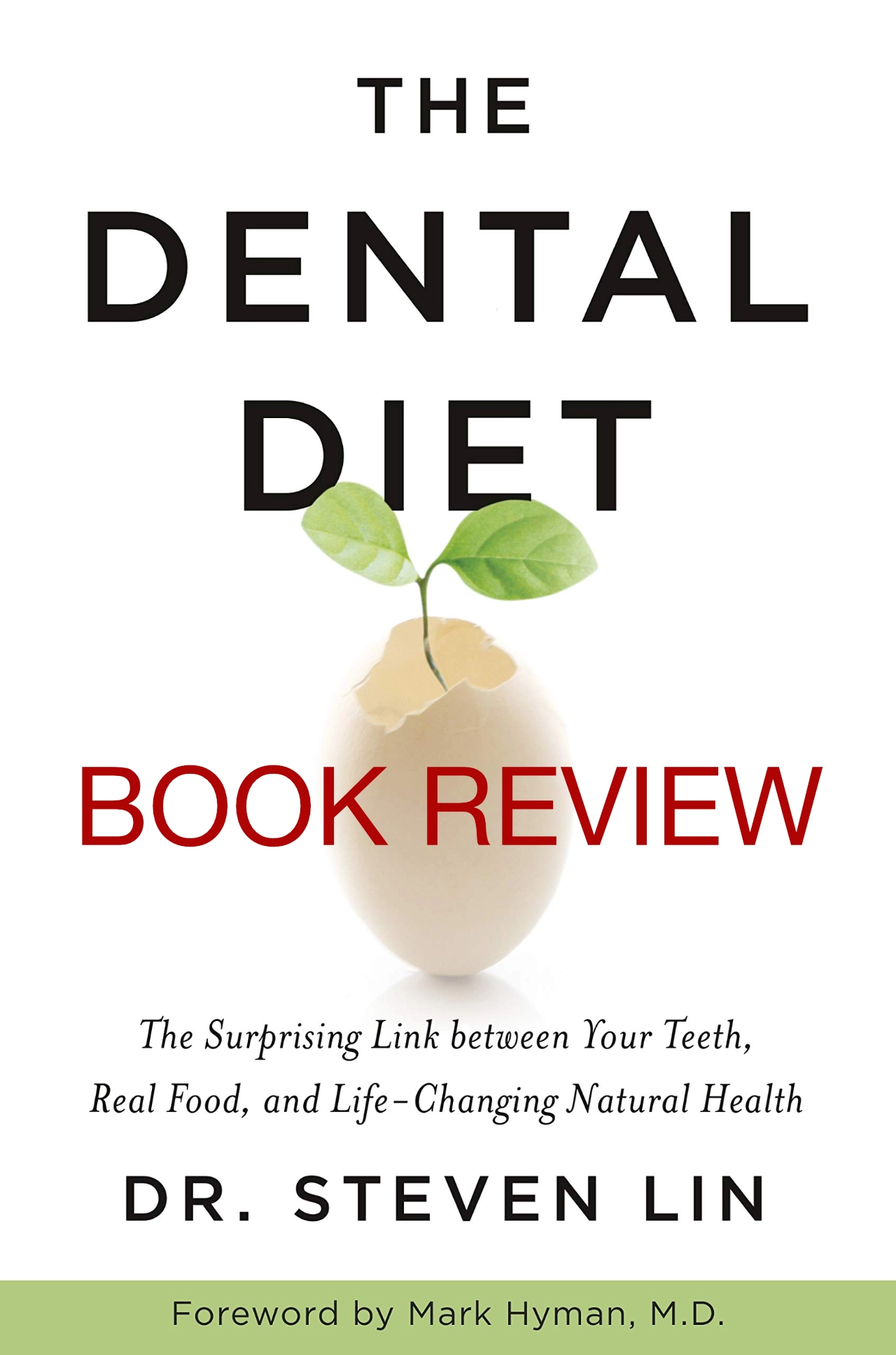
The Dental Diet: A Bite into Your Health
Dr. Steven Lin’s The Dental Diet is a toothy exploration of how our diet shapes not only our dental health but our overall well-being. At its core, the book is a wake-up call: your mouth isn’t just a chomping machine; it’s a gateway to your body’s health, and, as Lin argues, the modern diet is wrecking it.
The Tooth of the Matter
Lin begins by introducing us to the concept of “dento-facial growth.” Think of this as the VIP section of development that your face and jaw are supposed to enjoy but rarely do anymore. He explains how ancestral diets full of whole foods encouraged broad jaws, straight teeth, and healthy airways. (Fun fact: ancient humans didn’t need braces. Modern humans, with our love of sugar and soft foods, have all the orthodontic bills.) Lin argues that we’ve lost the connection between our food and our facial development, leading to problems like crooked teeth, crowded jaws, and even breathing issues. Yes, that’s right—your midnight snoring might just be your jaw’s cry for better nutrition.
The Chewable Solution
At the heart of Lin’s argument is his philosophy: “Eat for your teeth, and your body will thank you.” He breaks this down into three pillars of dental-friendly nutrition:
- Fat-Soluble Vitamins (A, D, K2): These are the unsung heroes of oral health, and Lin has a crush on them. He explains how these vitamins work together like a well-rehearsed boy band, directing calcium to the right places—like your teeth and bones—instead of letting it float aimlessly through your bloodstream (a dental horror story waiting to happen). Vitamin K2, in particular, gets the spotlight for its ability to play traffic cop for calcium.
- Minerals: Calcium and phosphorus are your dental BFFs, but they need a nutrient-dense diet to work their magic. Think leafy greens, bone broth, and—yes—liver. (Don’t groan just yet; Lin insists it’s a superfood worth acquiring a taste for.)
- A Nutrient-Dense, Low-Sugar Diet: Sugar, the dentist’s nemesis, is once again villainized here. Lin paints a grim picture of how sugar feeds harmful bacteria in your mouth, leading to cavities, gum disease, and a bad relationship with your dentist. Instead, he suggests eating like our ancestors: whole, unprocessed foods, rich in nutrients.
Masticating the Science
The book explains how our modern eating habits—soft foods, processed snacks, and sugar-laden drinks—have led to malocclusion (a fancy word for “wonky teeth”) and smaller jaws. This has consequences beyond aesthetics: narrow jaws can restrict airways, contributing to sleep apnea and even ADHD symptoms in kids. Yes, your teeth and sleep are more connected than you’d think. (Who knew your molars could sabotage your REM cycle?)
The book also delves into the microbiome, that buzzing community of bacteria in your mouth. Lin lovingly refers to this as your “oral garden.” Feed it the wrong stuff (like sugar), and it’ll rebel with gum disease and bad breath. Feed it right (with fermented foods and fiber), and you’ll have a thriving ecosystem that supports not just your teeth but your immune system, digestion, and overall health.
Practical Tips: Brushing Up on Your Diet
Dr. Lin knows preaching about liver and fermented vegetables might make readers want to hide behind a bag of chips, so he offers practical advice on transitioning to a tooth-friendly diet. Some key takeaways include:
- Chew More: Eating crunchy, fibrous foods isn’t just good for your waistline; it’s like CrossFit for your jaw. Think carrots, apples, and nuts. Skip the mushy stuff—your teeth deserve better.
- Go Probiotic: Fermented foods like kimchi, sauerkraut, and kefir are like a spa day for your oral microbiome.
- Balance Your Fats: Swap out vegetable oils for healthy fats like butter, ghee, and coconut oil. Your teeth will cheer you on.
- Minimize Sugar: Lin suggests avoiding processed sweets like your teeth’s life depends on it—because it kind of does.
The Root Cause: A Broader Message
Beyond dietary advice, The Dental Diet carries a broader message: our dental problems are symptomatic of larger systemic issues with modern life. Lin urges us to reconnect with traditional food practices and embrace a lifestyle that prioritizes real, nutrient-dense food. He also touches on holistic oral care, including natural toothpaste, oil pulling, and tongue scraping. (It’s less weird than it sounds—promise.)
Personally, I don’t think oil pulling is very effective and it is time-consuming. Tongue scraping is a good habit to start. As for toothpastes, i would still urge people to consider an alternative remineralizing agent if you don’t want fluoride in your toothpaste.
A Toothsome Tale
Lin’s writing is accessible, engaging, and occasionally funny—imagine your dentist with a TED Talk side gig. He weaves science and storytelling seamlessly, making a potentially dry subject genuinely interesting. He even dives into cultural history, showing how traditional diets around the world supported dental health long before floss was a thing.
Conclusion: Grin and Win
If you’ve ever underestimated the power of your teeth, The Dental Diet will change that. Dr. Steven Lin’s book is a call to action for anyone tired of quick-fix dental solutions and ready to tackle the root (pun intended) of the problem. With its blend of science, history, and practical advice, it’s not just about teeth—it’s about transforming your health from the inside out. Plus, you’ll have the perfect excuse to gnaw on a carrot or two at your next dinner party.
On a personal note, I am practicing what this book preaches - lower my intake of ultra-processed foods, increasing my vegetable and fibre intake and really thinking about whole foods. Sometimes, food choices can be difficult and getting my wife and kids on this journey with me has been challenging. Nonetheless, the results have been more noticeable for my general well-being, more than I was expecting.
So, let this book be some food for thought!